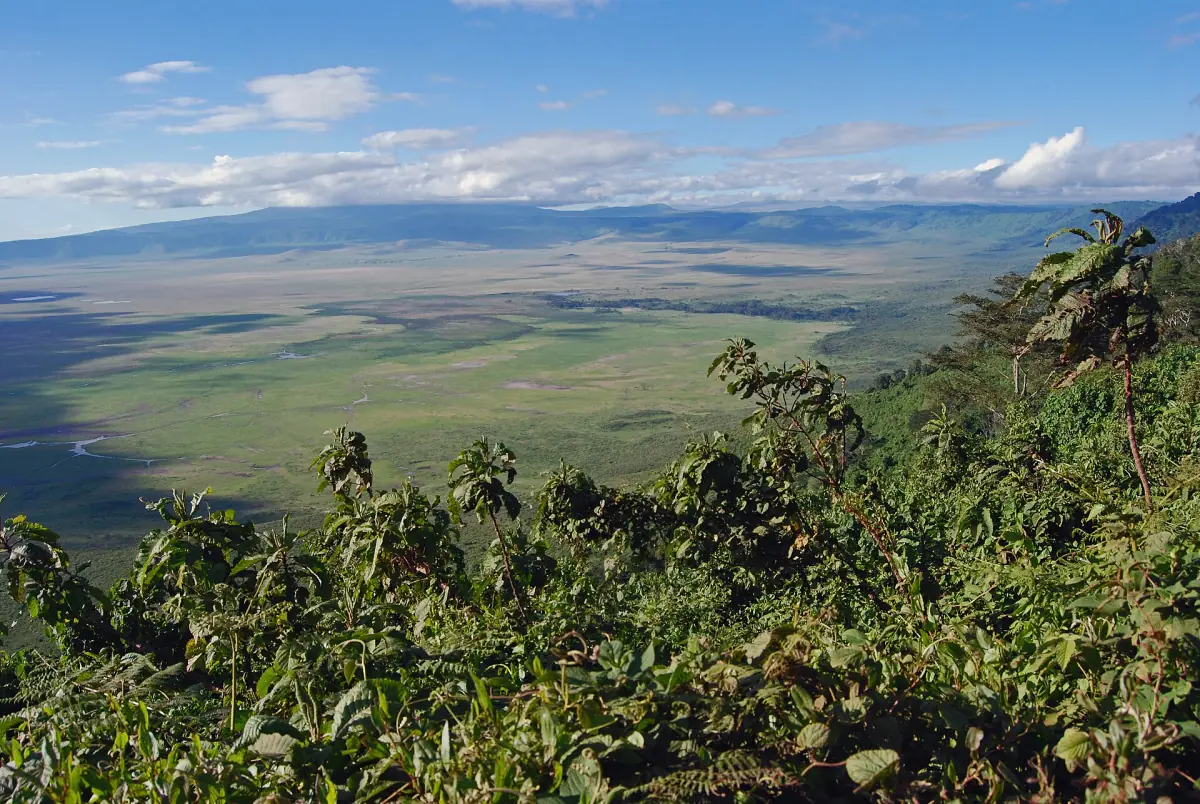
Ngorongoro in a nutshell
The Ngorongoro Conservation Area was set up in 1959 as a multiple land use area. Wildlife conservation and the livelihoods of resident Maasai are part of its purpose. It covers about 8,292 square kilometers and is a World Heritage Site: it was listed for its nature in 1979, and a cultural criterion was added in 2010. The area is run by the Ngorongoro Conservation Area Authority.
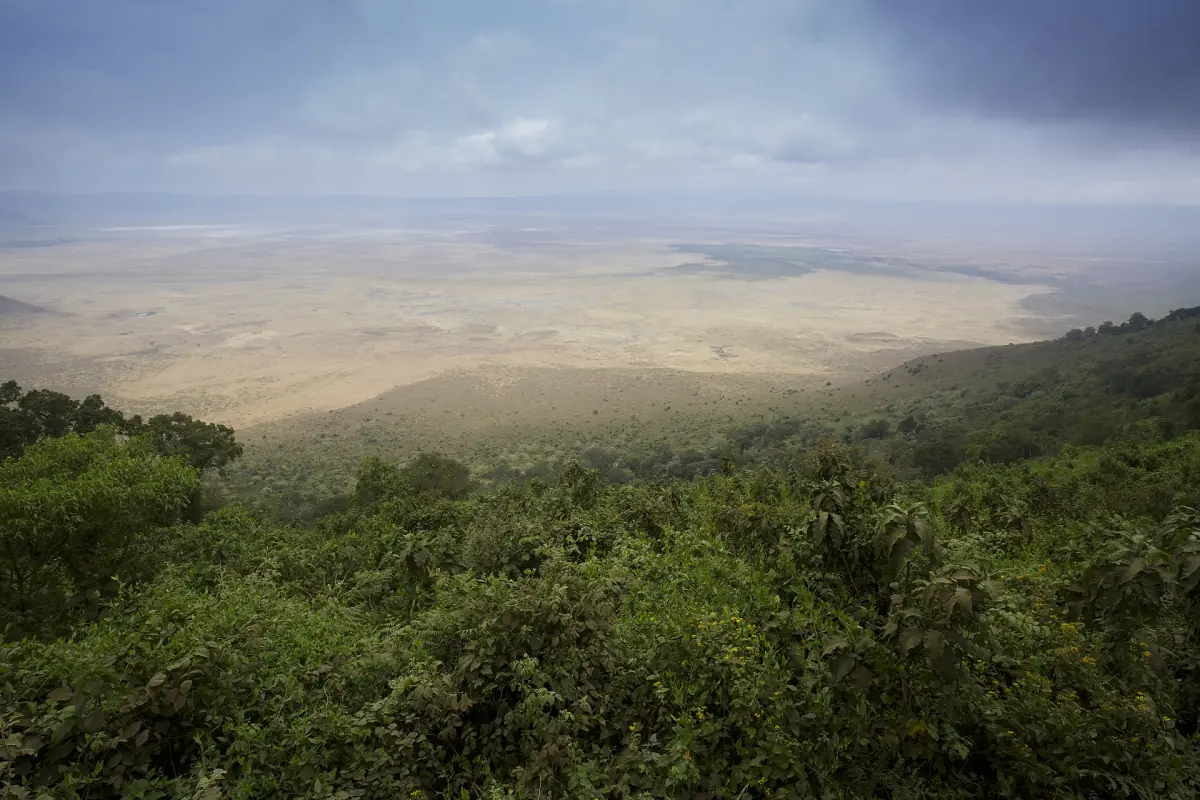
Most visitors come for the crater. It measures about 260 square kilometers, roughly 20 km across and 610 m deep, and it formed when a volcano collapsed some 2.5 million years ago. Grassland, swamp, rivers and forest sit side by side on the floor, and animals can move in and out. The crater is only one part of the conservation area, which also has Olduvai Gorge, the Empakaai crater lake, the Ndutu plains and Maasai communities.
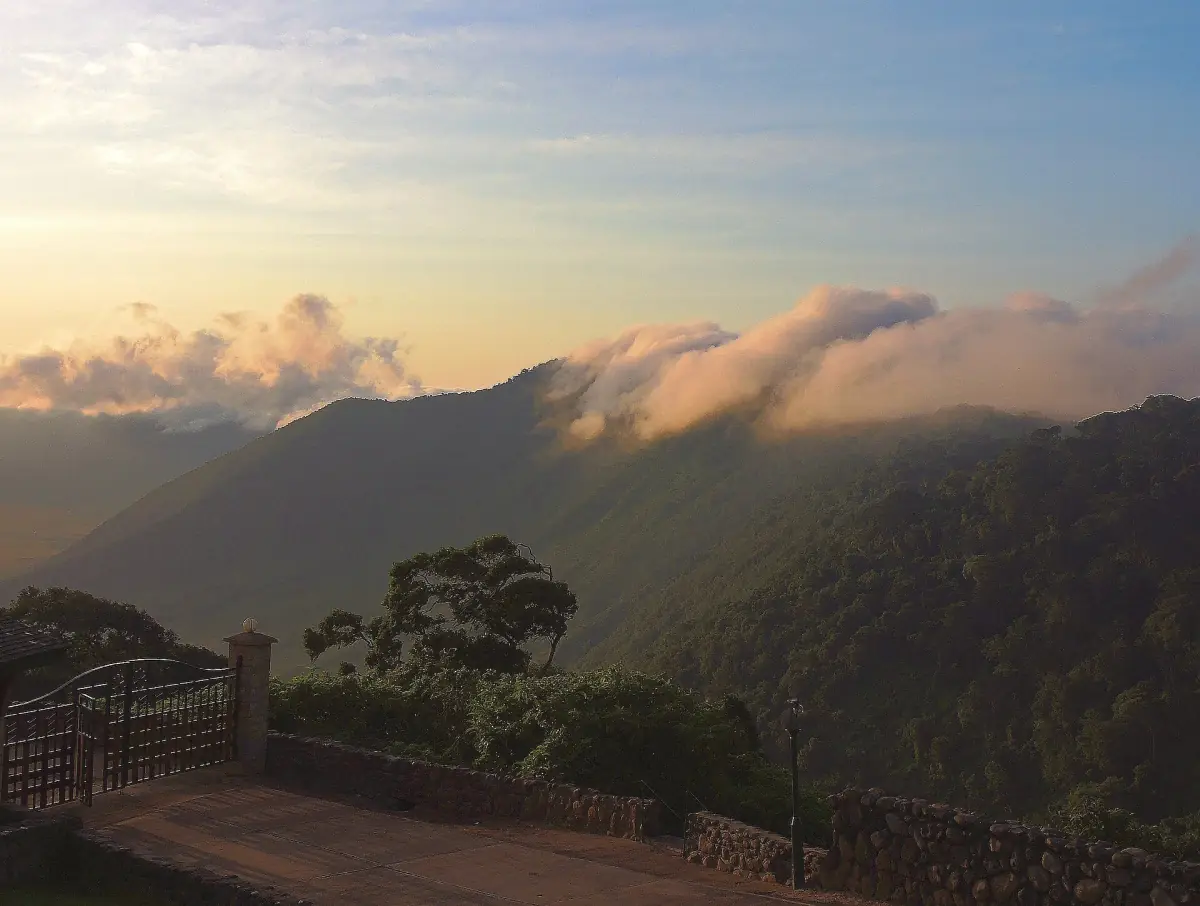
What this guide covers
An independent site for planning a visit.
This is an independent travel guide. It is not the website of the conservation area authority, Tanzania National Parks or the Tanzania Tourist Board, and it has no link to any safari operator or lodge. It explains how a visit works: the crater and its rules, crater safaris and tours from Arusha and Karatu, what you pay and when, which animals live here, when to go, and what you need to enter Tanzania. Prices are in US dollars as listed in 2026. They change, so your offer or permit is what counts.
Our picks: Ngorongoro tours
A day safari into the crater, a two-day trip with Tarangire and a three-day camping safari.
Hand-picked tours, booked through GetYourGuide. Prices are indicative starting prices in US dollars (as of October 2026). Tap a tour for live availability and the current price in your currency.
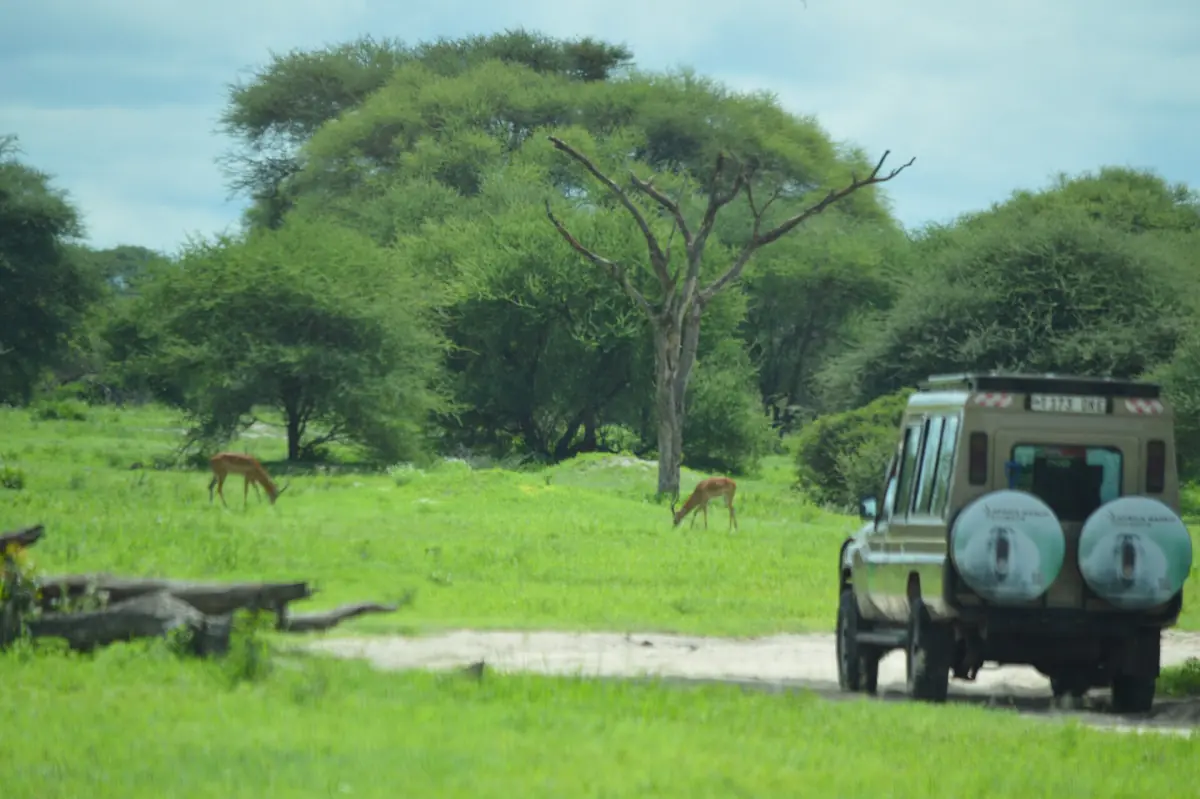
3-day Serengeti and Ngorongoro Crater camping safari
All park, transit, concession, camping and crater fees are included, plus full board, tents and a cook. Insurance and tips are not included.
Check availability →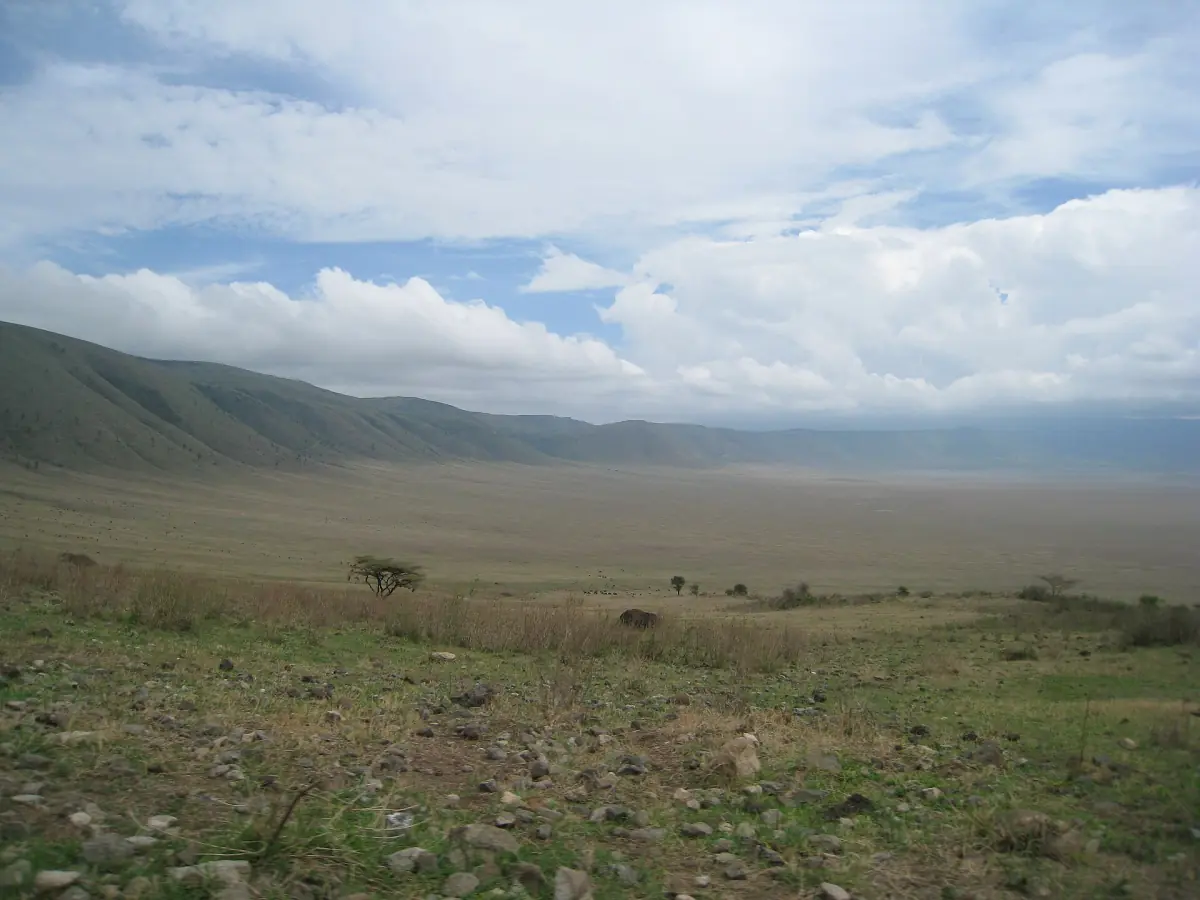
Ngorongoro Crater day safari with a driver-guide
Twelve hours in a 4x4 with pop-up roof, with all park and crater fees, a picnic lunch and hotel transfers. Maasai village visits are an optional extra.
Check availability →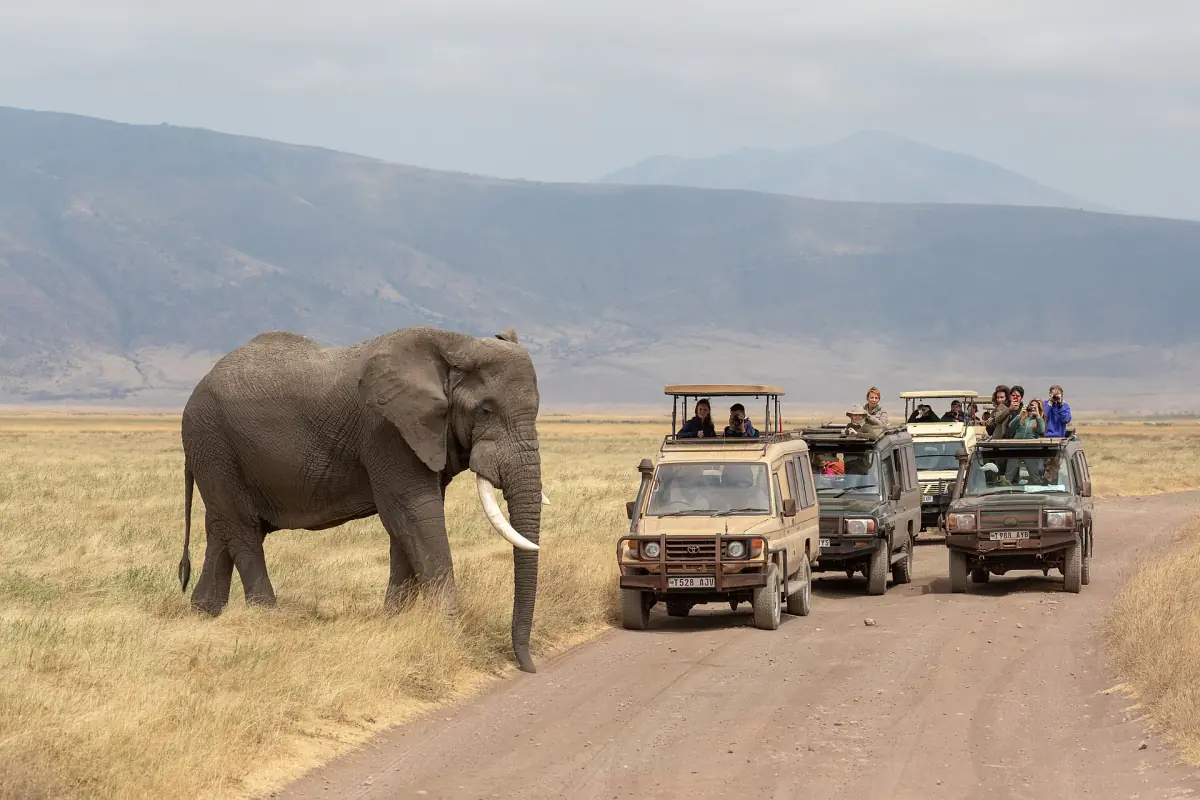
2-day Tarangire and Ngorongoro Crater safari
A 4x4 safari vehicle with a guide, entry to Tarangire and the Ngorongoro Conservation Area, and one night with full board. Visa and personal items are extra.
Check availability →Ngorongoro tours and safaris
Day trips and multi-day safaris to the crater and the wider conservation area, with live prices and availability.
Plan your visit
Start with the crater and the fees, then pick the pages you need.
The Ngorongoro Crater
Size, habitats, descent roads and the rules for visitors on the crater floor.
Crater safaris
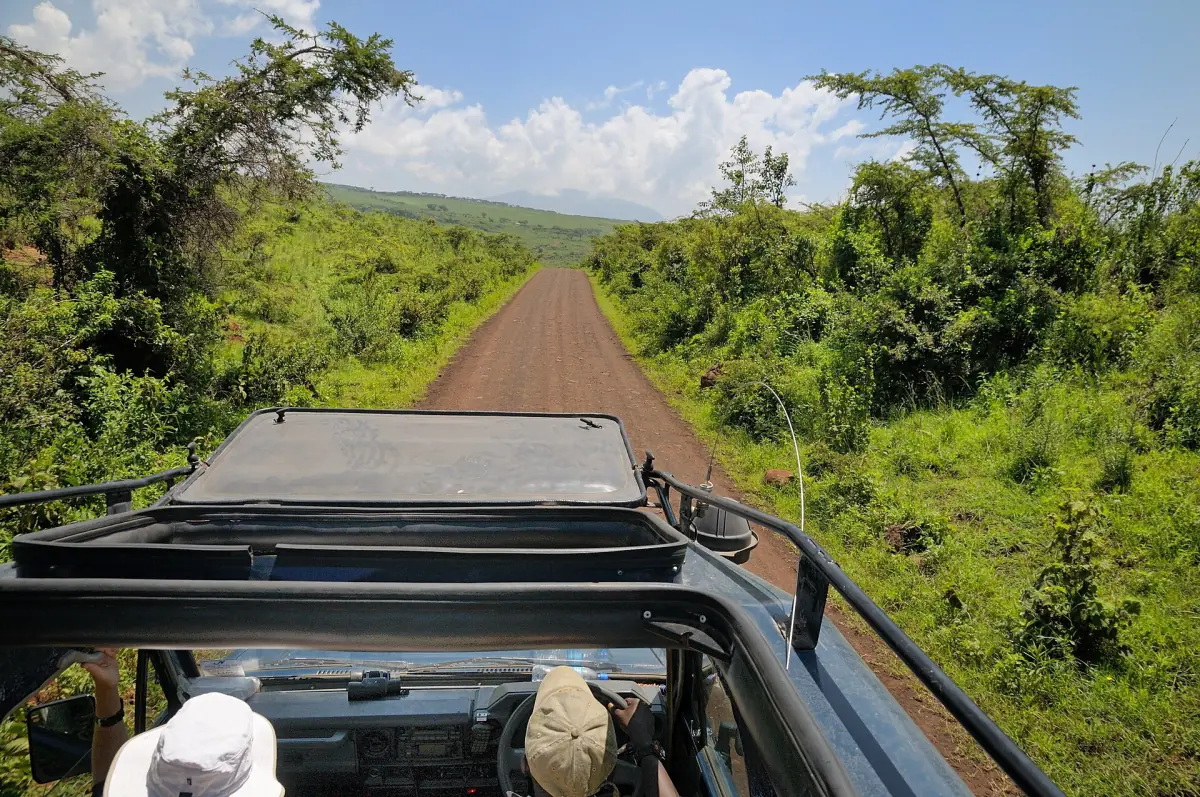
What a game drive involves, where else you can drive, and what is paid separately.
Tours compared
Starting from Arusha, Karatu or Zanzibar, and what to check before you book.
Fees in USD
Entry fee, Crater Service Fee, vehicle permit and overnight charges, with the 2026 amounts.
Wildlife in the crater
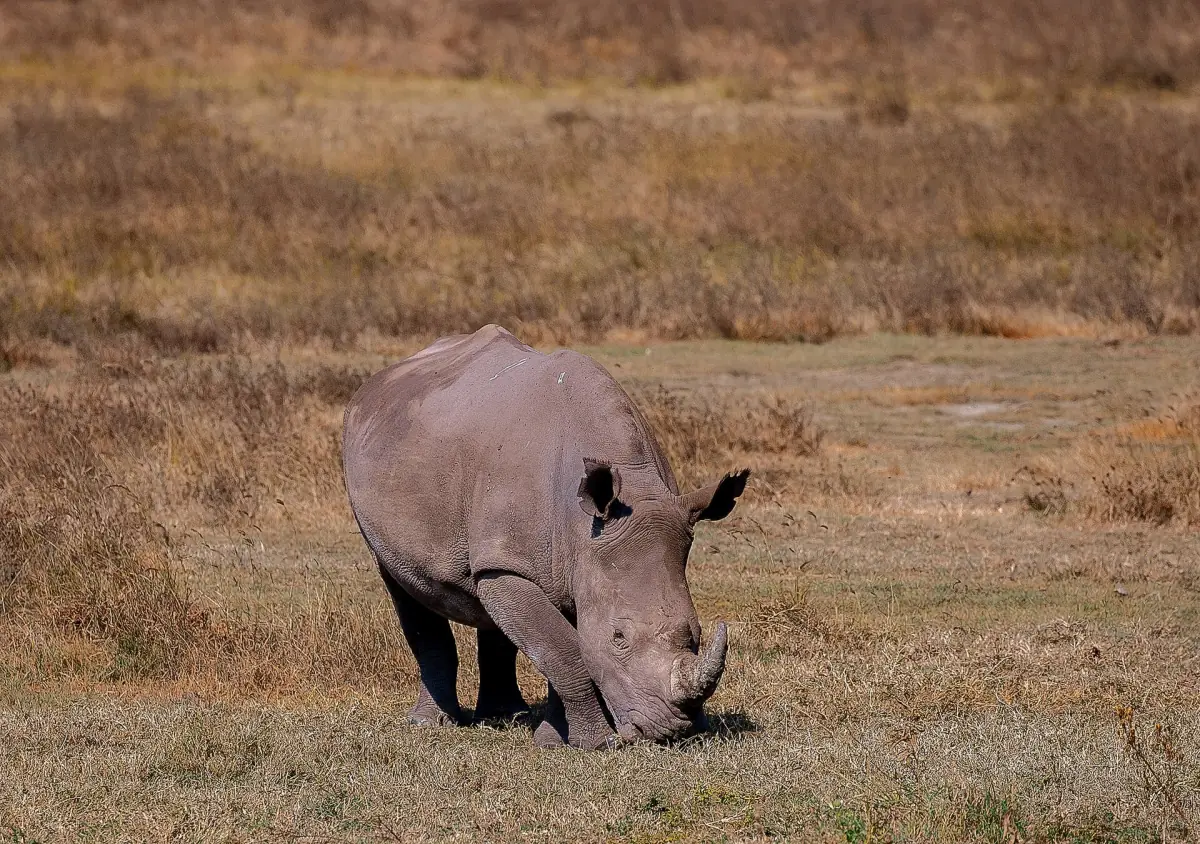
Black rhino, lions, elephants, flamingos and what is realistic to see.
Best time to visit
Dry season, short and long rains, and what the weather means for the roads.
Places, people and practical pages
Beyond the crater floor, and how to get here.
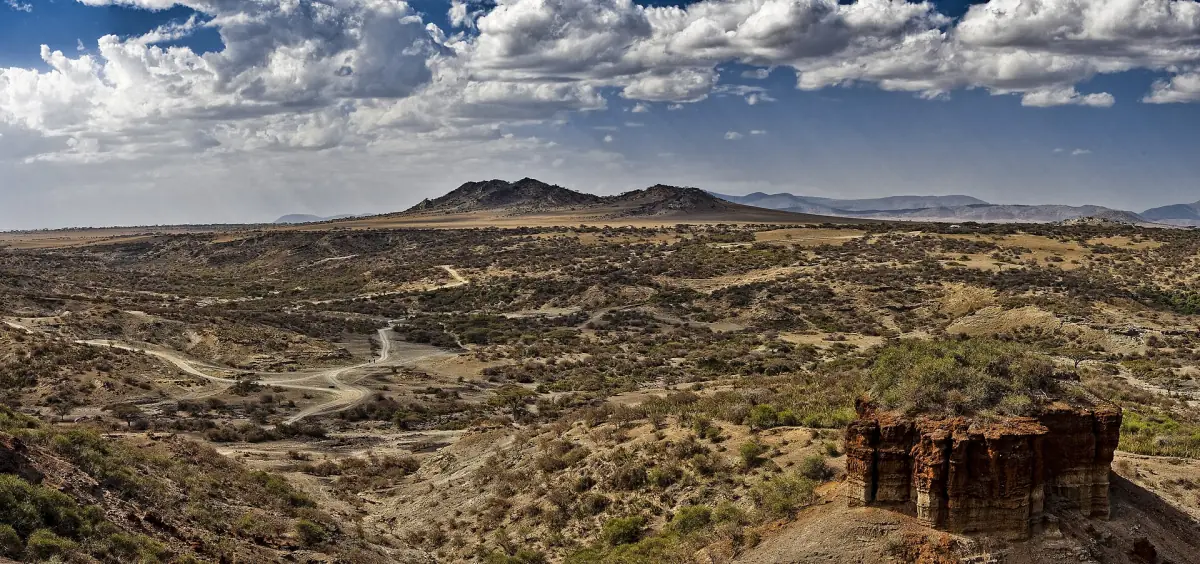
Olduvai Gorge
The museum, the fossil sites and how a visit works.
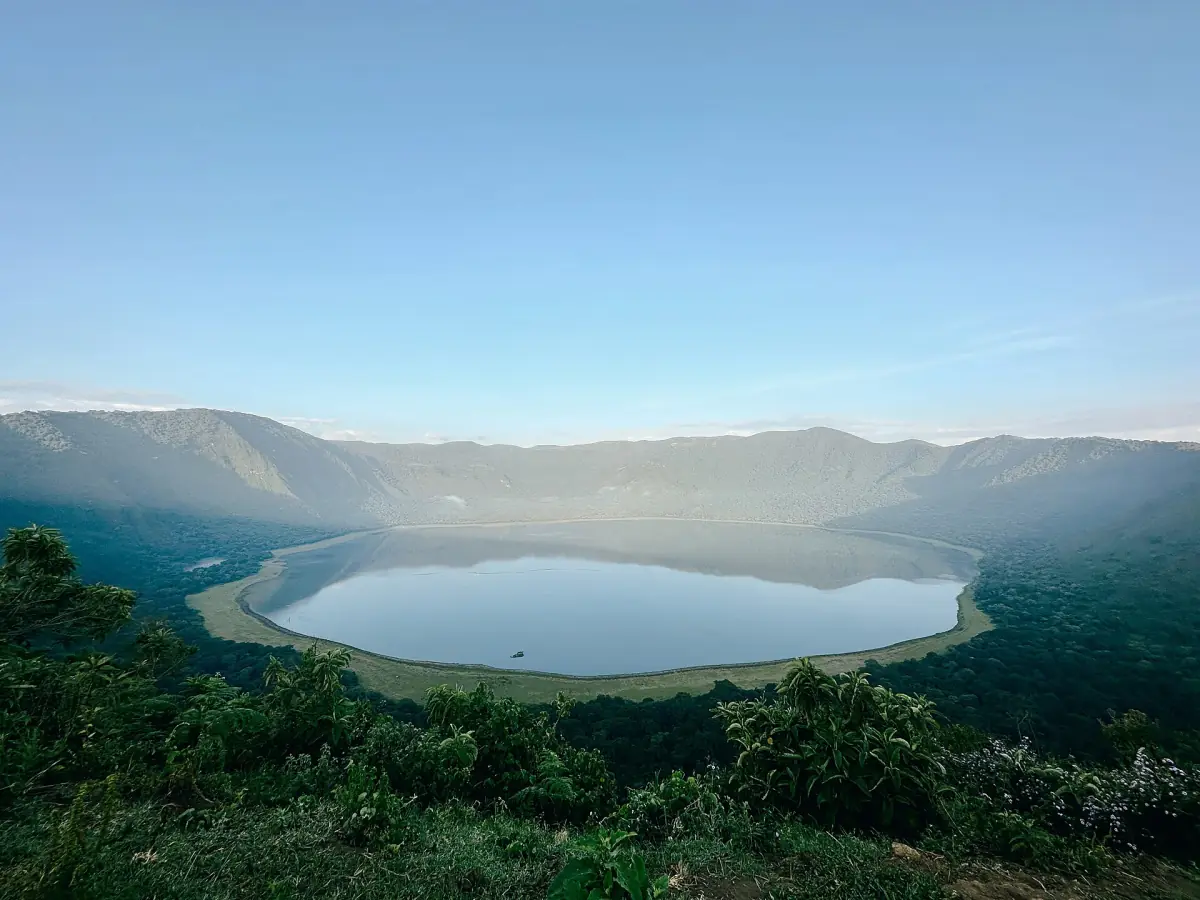
Empakaai crater
A crater lake to the north, reached on foot with a ranger.
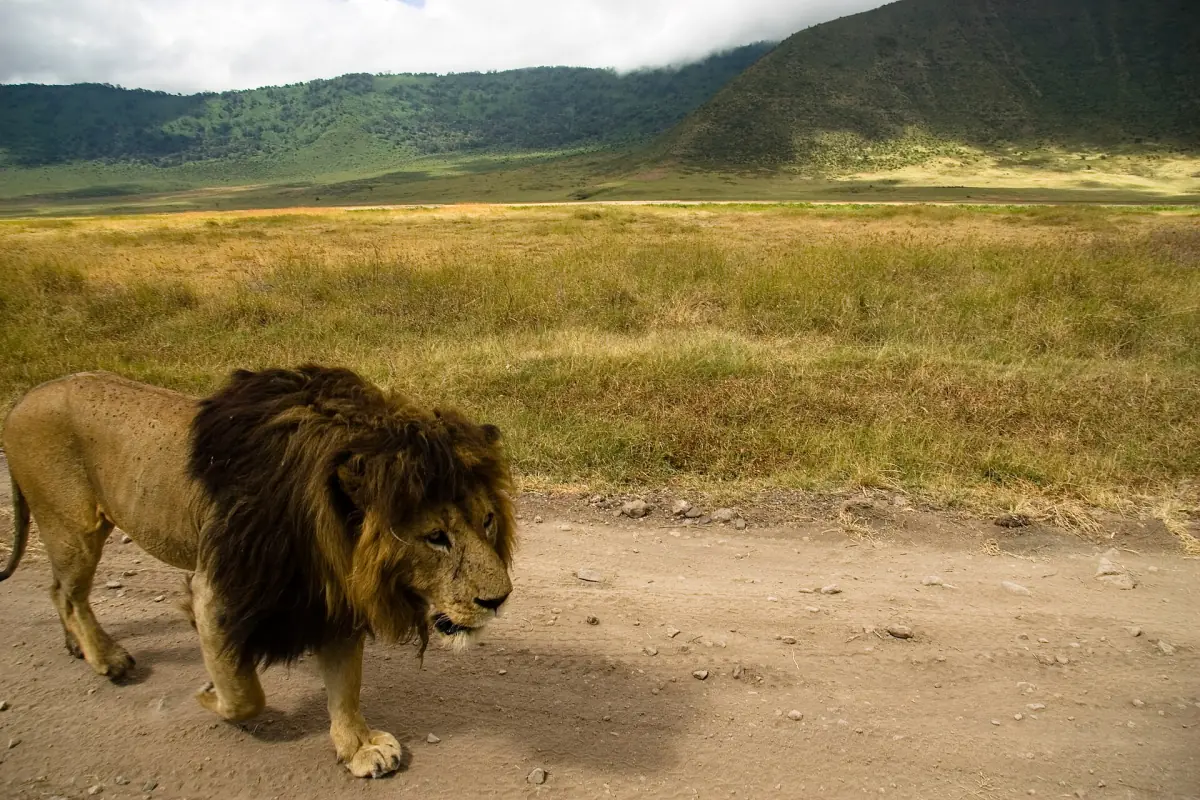
Ndutu
Calving season and the migration in the south.
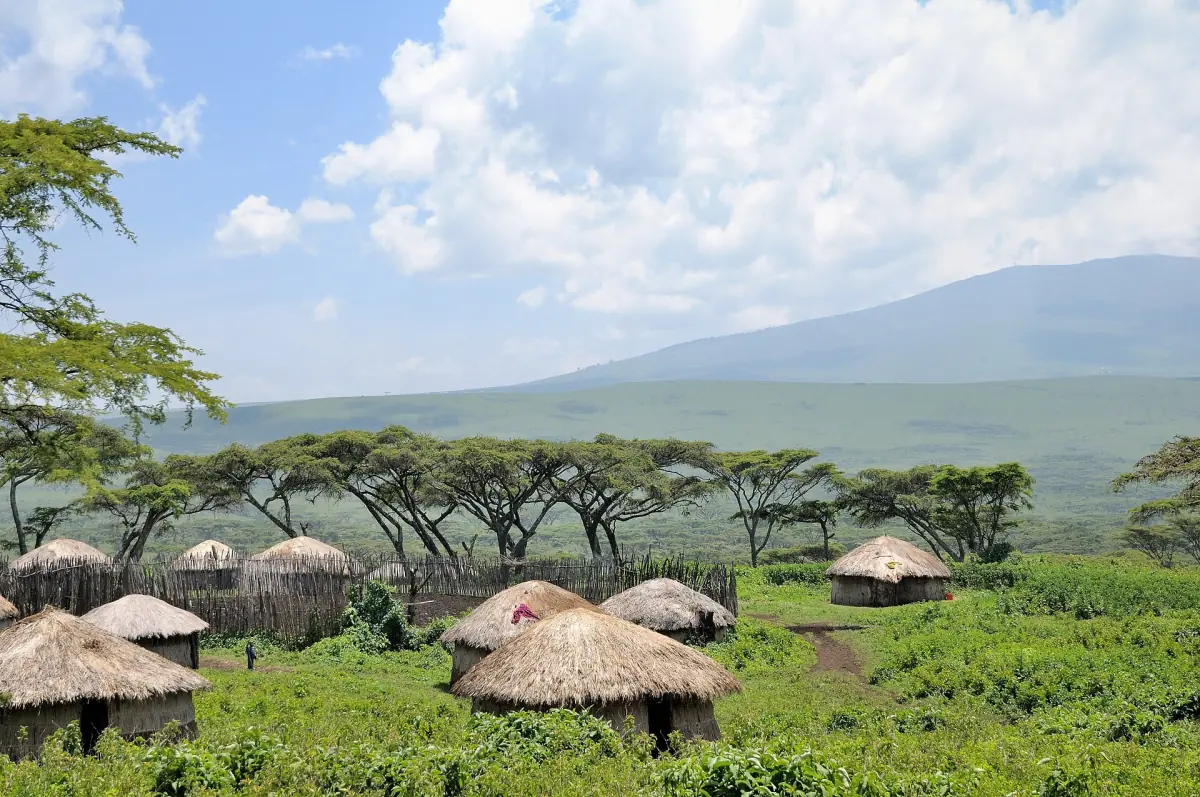
Maasai village visits
Fees, photography and the context of a visit.
Where to stay
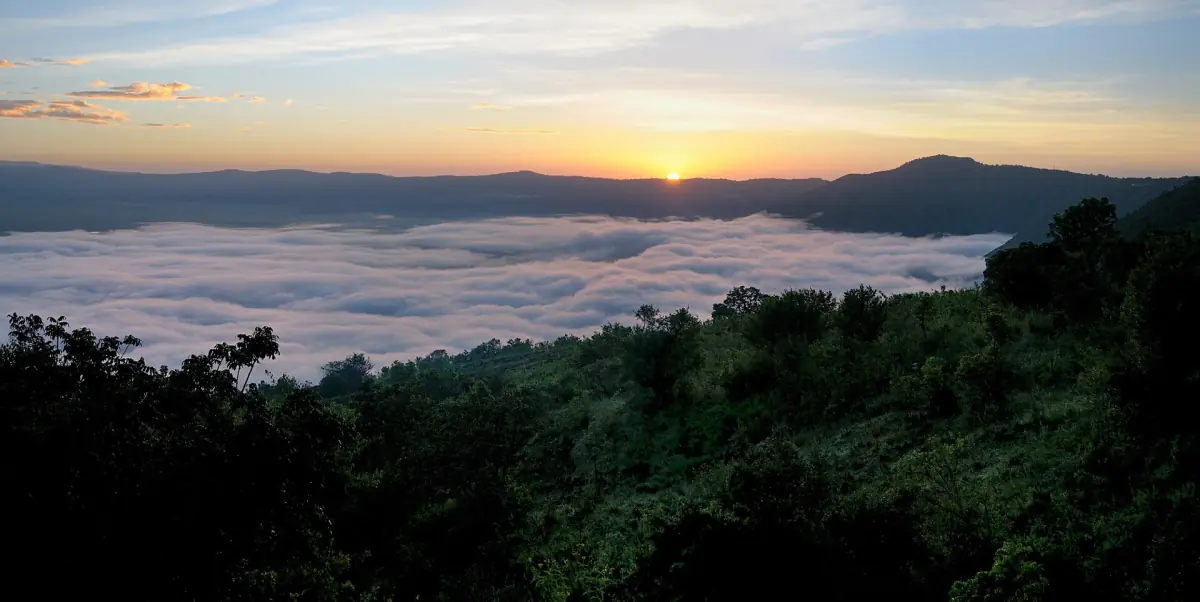
Rim, Karatu or camp: how the choice changes your fees.
Arusha to Ngorongoro
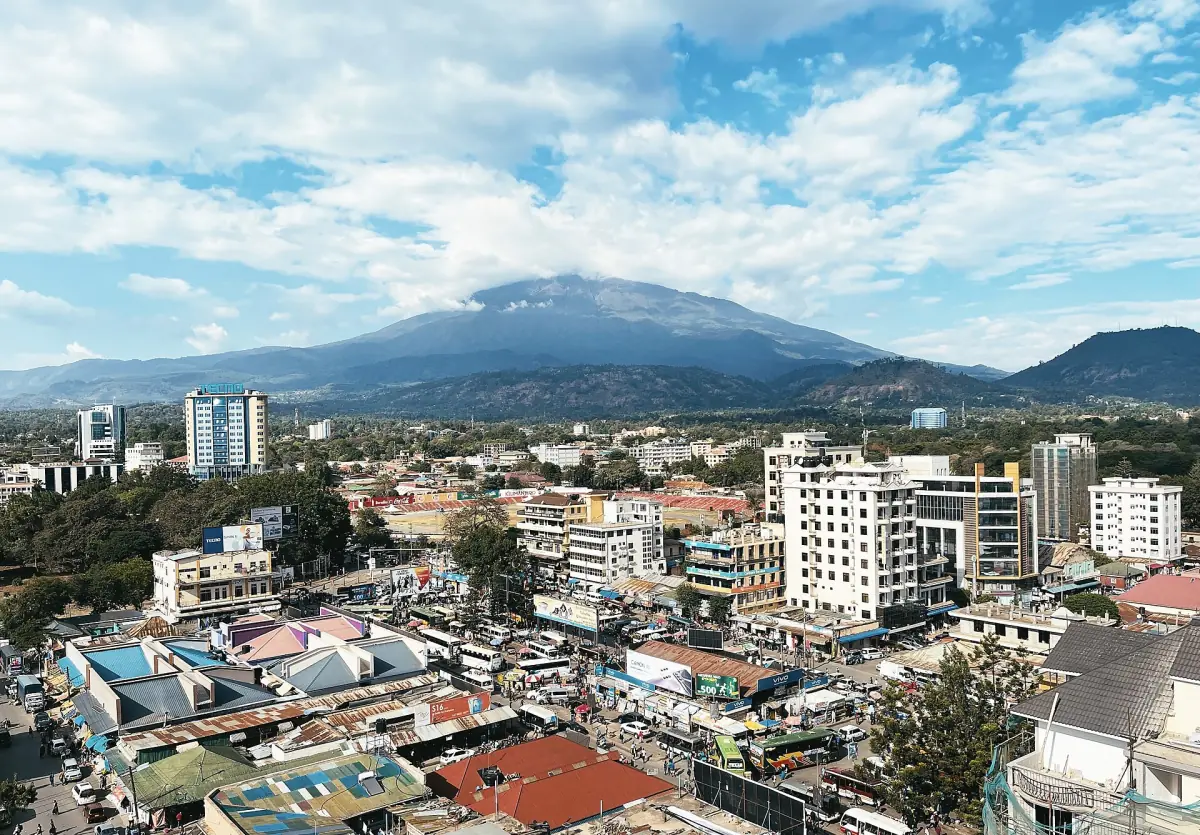
Distance, drive time, the gate and the airport.
Karatu
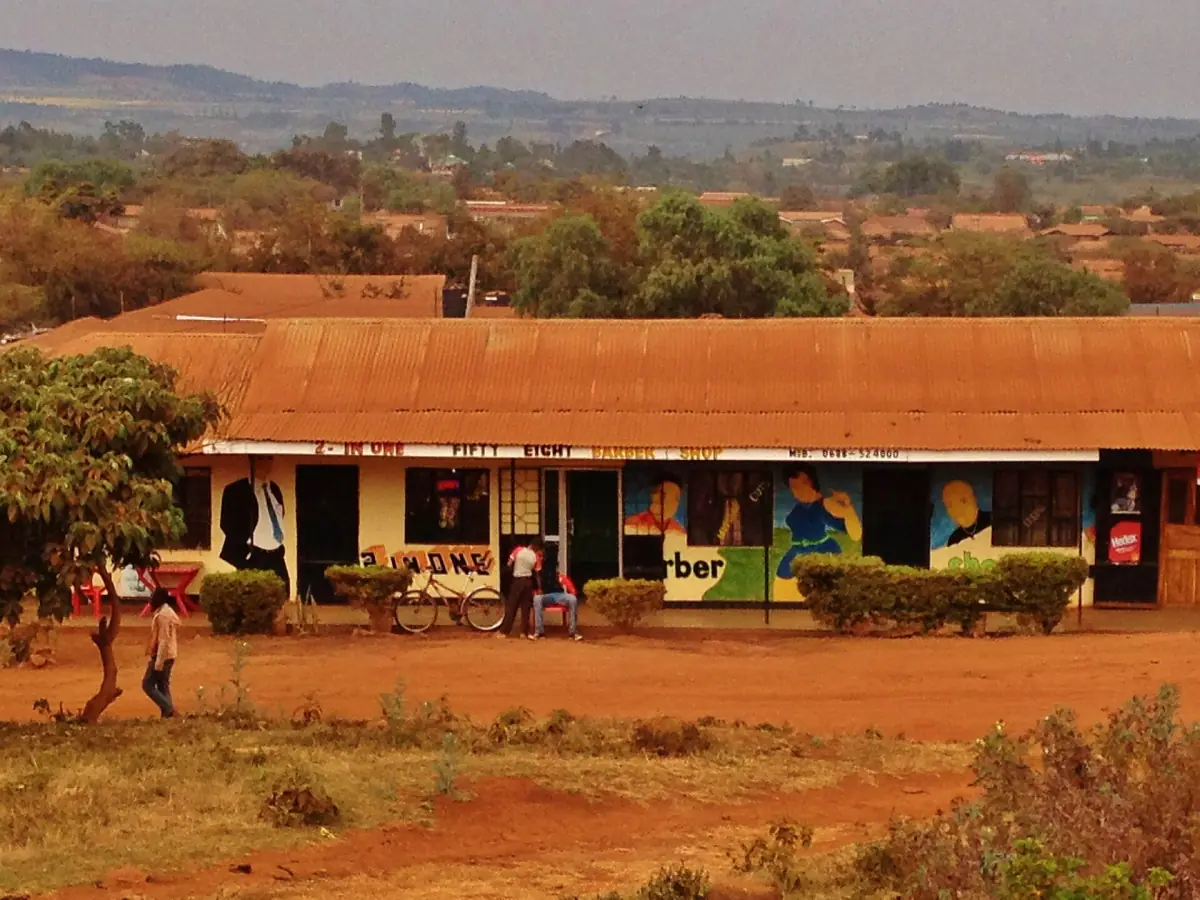
The town below the highlands and how it fits a safari plan.
Tanzania visa
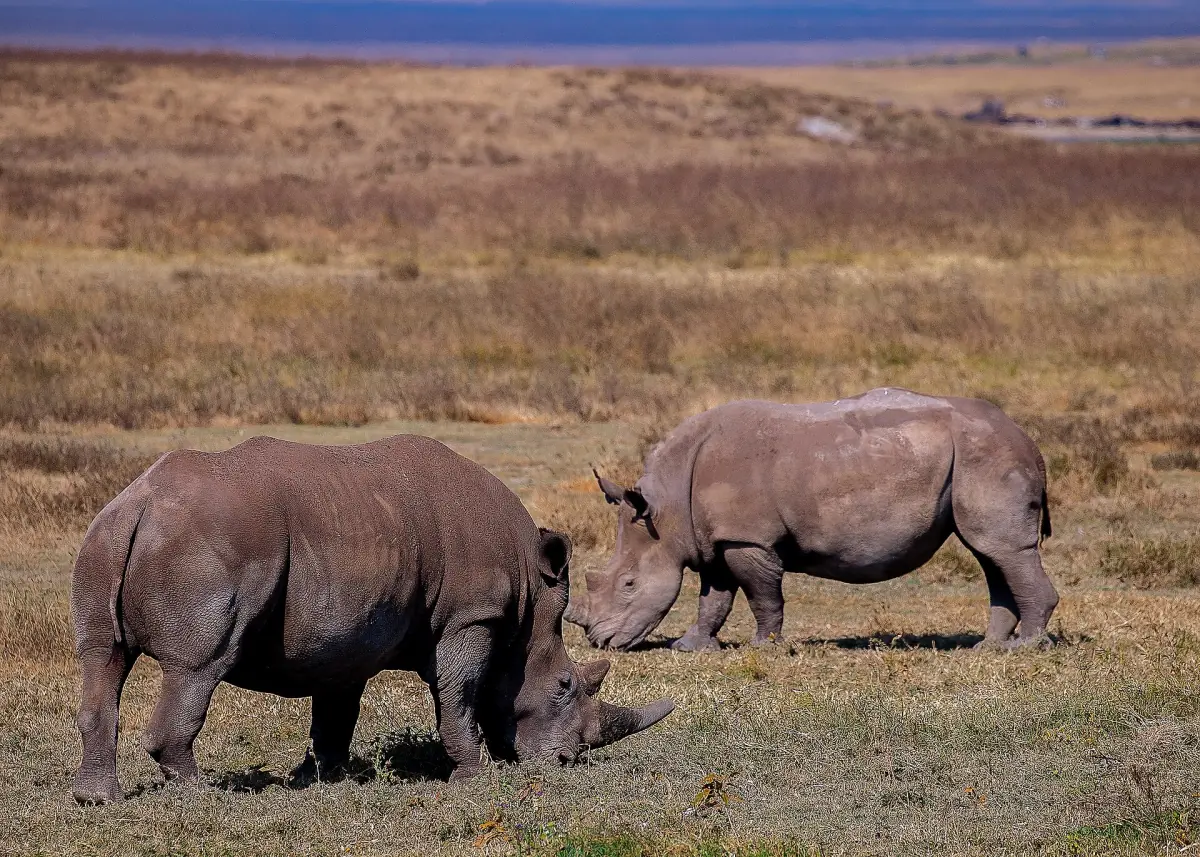
Visa fees, passport rules and the insurance requirement from October 2026.
Good to know in 2026
Where older guides and old advice are out of date.
Fees come in separate parts
The entry fee is charged per person, the Crater Service Fee per vehicle, and a vehicle permit comes on top. The amounts quoted on offers are often higher than the base rates because they include 18 percent VAT. Your permit or offer shows the final figure.
Fees in detail →Permits are arranged in advance
Permit applications now run through SafariPortal v2, and operators pay before the safari date instead of at the gate. Do not plan on buying a permit when you arrive. Tell your operator early if your entry date changes.
How payment works →Children are priced by age band
The current fee table separates visitors from 16 years, children aged 5 to 15 and children under 5. Older documents used a different age limit, so check the band that applies to your child.
Age bands and amounts →No walking safaris in the crater
Game drives on the crater floor are made in a vehicle. Walks belong to the highlands and rim, and every walk in the conservation area needs an armed ranger and advance booking.
Walking at Empakaai →Insurance is now required for mainland entry
From 1 October 2026, visitors arriving on the Tanzanian mainland need mandatory travel insurance. The listed base price is $44 per visitor for stays up to 92 days. This is separate from the visa fee.
Visa and entry →Serengeti and Kilimanjaro
Neighbouring destinations, handled separately.
The Serengeti borders the conservation area, and the calving plains around Ndutu lie on both sides of the boundary. Many trips combine the two, and Tarangire and Lake Manyara are common extra stops. Those parks charge their own fees, which are not part of the Ngorongoro entry fee. Kilimanjaro is a separate trip. This site stays with Ngorongoro and the way in: the airport, Arusha and Karatu.
Ngorongoro: frequently asked questions
When is the best time to visit Ngorongoro?
The dry season from June to October is the usual choice for good road conditions and clear days. The short rains fall from November to December and the long rains from March to May. These are typical windows, not fixed dates. The calving season near Ndutu is a separate question, covered on the Ndutu page. The best time page has the details.
How much does it cost to enter the conservation area?
For non-East African adults the base entry fee is $60, and children aged 5 to 15 pay $20. Going down into the crater adds a Crater Service Fee of $250 per vehicle on the base tariff. Amounts quoted with VAT are $70.80 for adults, $23.60 for children and $295 per vehicle. See the fees page for every line.
Can I walk in the crater?
No. Walking safaris are not allowed inside the Ngorongoro crater, and you stay in the vehicle except at designated places such as the Ngoitoktok Spring picnic site. Guided walks happen on the highlands and rim routes with an armed ranger.
Do I need a visa for Tanzania?
That depends on your nationality, so check before you apply. The ordinary visa costs $50 and is valid for up to 90 days. US passport holders are listed with a multiple-entry visa at $100. Your passport must be valid for at least 6 months. See the visa page and confirm the current rules with the immigration authority.
Is the Serengeti part of the Ngorongoro Conservation Area?
No. The Serengeti is a separate protected area that borders it, and it has its own tariffs. A Ngorongoro ticket does not cover a visit to the Serengeti.
Is this the official Ngorongoro website?
No. This is an independent travel guide with no connection to the conservation area authority, Tanzania National Parks, the Tanzania Tourist Board or any tour operator or lodge.