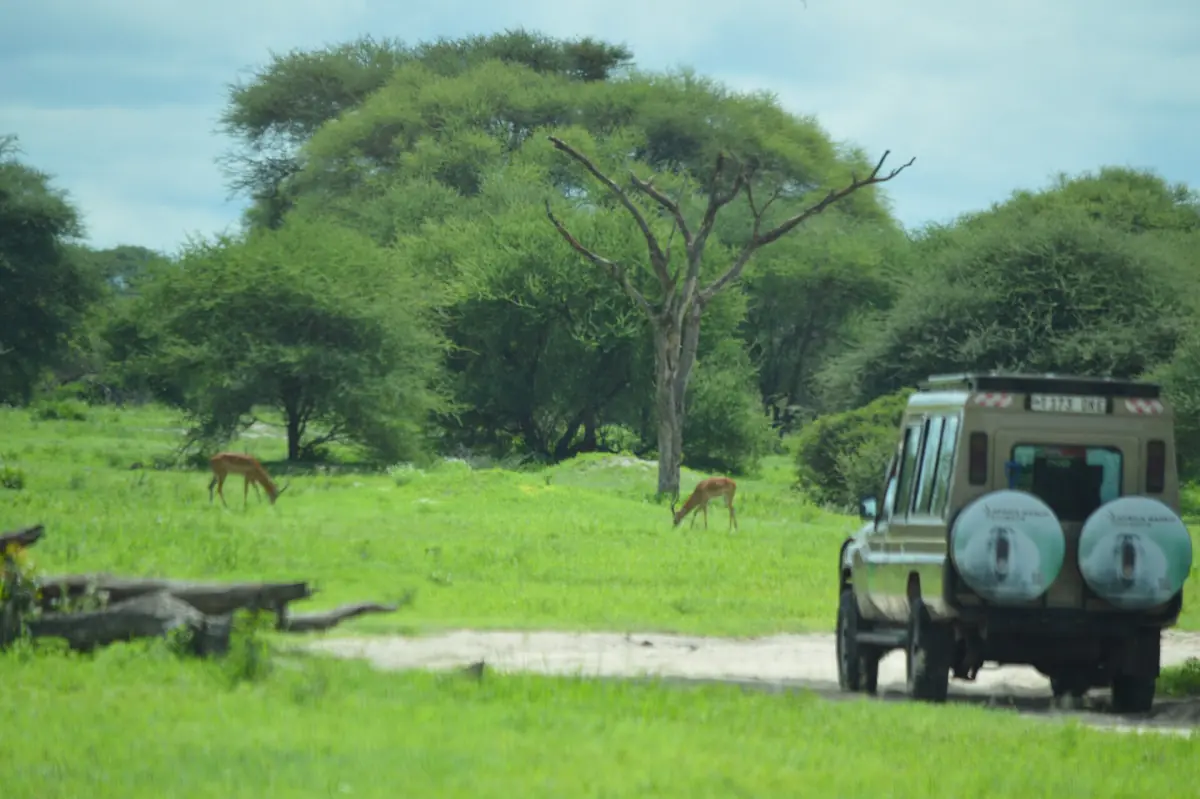
Ndutu at a glance
Ndutu is known for the calving season of the wildebeest herds. The short-grass plains where the calves are born lie on both sides of the boundary between the Ngorongoro Conservation Area and the Serengeti National Park. So Ndutu is not one clean block with one set of rules. Part of it is a game-drive destination inside the Conservation Area, and part belongs to a separate park.
This site covers the Conservation Area side. The Serengeti is a separate park with its own tariffs, and it is mentioned here only where it affects your plan.
The calving season: what is typical
A rough pattern, not a calendar.
| Month | Typical picture around Ndutu |
|---|---|
| January | Herds are in the Ndutu area |
| February | Calving is usually at its peak |
| March | Herds are still present, but increasingly spread out |
| After March | Herds move north and west as rain and grass change |
This is a tour-operator description of what usually happens. It is not an official calving calendar. Rain and grass decide where the herds are, so the timing shifts. No operator can promise a birth, a particular herd or a fixed day. Ask your operator about current conditions close to your date.
Safaris that include Ndutu
Multi-day safaris in the Ngorongoro and Serengeti area, with live prices and availability.
Planning a visit to Ndutu
What is different from a crater day.
A game-drive area
The conservation authority lists the Ndutu Plains as a game-drive destination, next to the Ngorongoro Crater and other areas. A crater safari is only one of the activities in the Conservation Area. Do not assume that Ndutu is included in a crater day.
Crater safari options →Fees depend on where you are
Do not assume that all of Ndutu falls under one park fee. Entry to the Conservation Area is charged separately from entry to the Serengeti. As of October 2026, the published base entry for a non-East African adult is $60, and an operator lists $70.80 with VAT. Children aged 5 to 15 pay $20, or $23.60 with VAT, and under 5 is free.
Fees explained →Staying overnight
Do not assume that a camp near Ndutu is outside the protected area. Whether a stay counts as inside the Conservation Area changes the nightly fees. Ask your operator which side of the boundary you will sleep on.
Lodges and camps →Driving off the road
Do not count on a general permission to drive off-road in Ndutu. Off-road driving needs permission, and rules can differ by area. Follow your guide's instructions.
Roads and rain
The short rains fall from November to December, and the long rains from March to May. Wet roads can slow the drive. Check the seasons before you pick your dates.
Best time to visit →Why herd positions change
The herds follow rain and fresh grass. In years with different rain, the animals may be in a different part of the plains in the same week. After the southern season they move north and west. That is why a visit in January, February or March improves your chances without guaranteeing anything.
- Be flexible: a good guide reads current conditions and moves with the herds, so leave room in the day.
- Ask close to your date: an operator can tell you where animals have been in recent days. A forecast from months ahead cannot.
- Expect more than calves: the plains are a game-drive destination in their own right, with other wildlife on them.
- Mind your expectations: a birth is not something you can plan for. Treat it as a possible highlight, not as the aim of the trip.
The wider Serengeti migration is outside this page, which only deals with the southern plains.
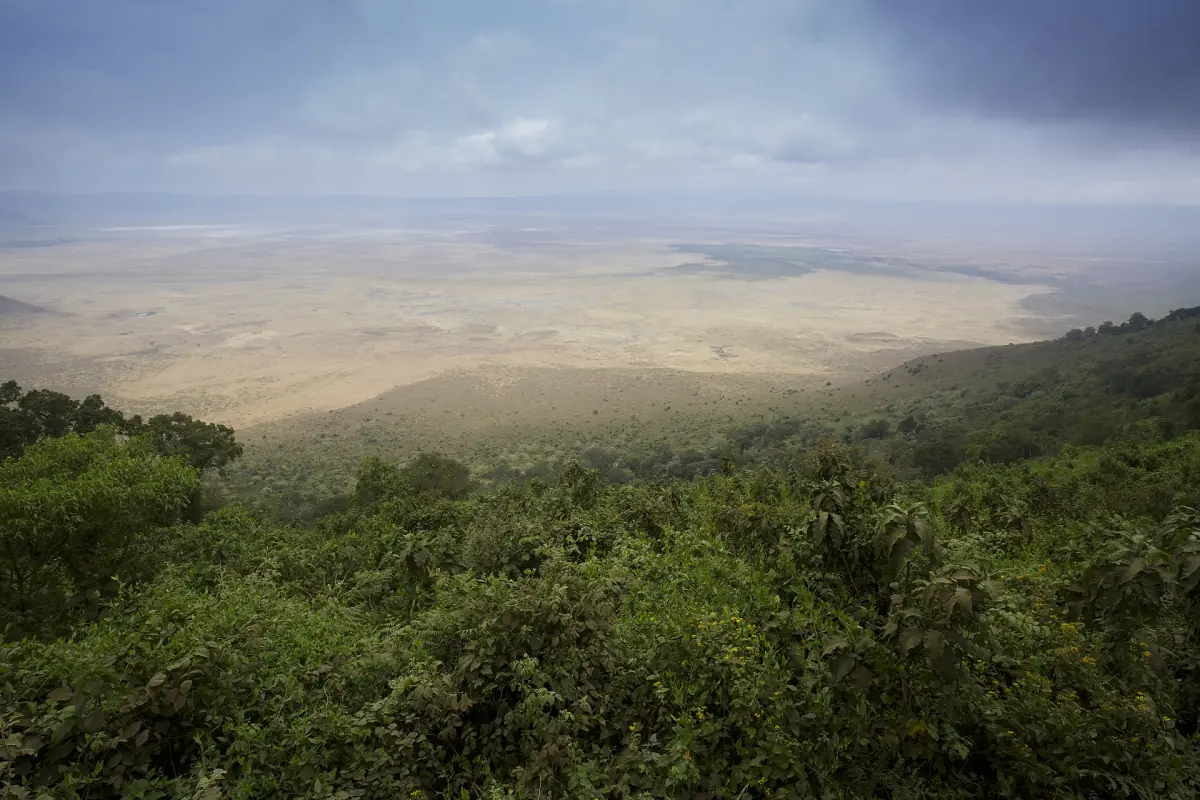
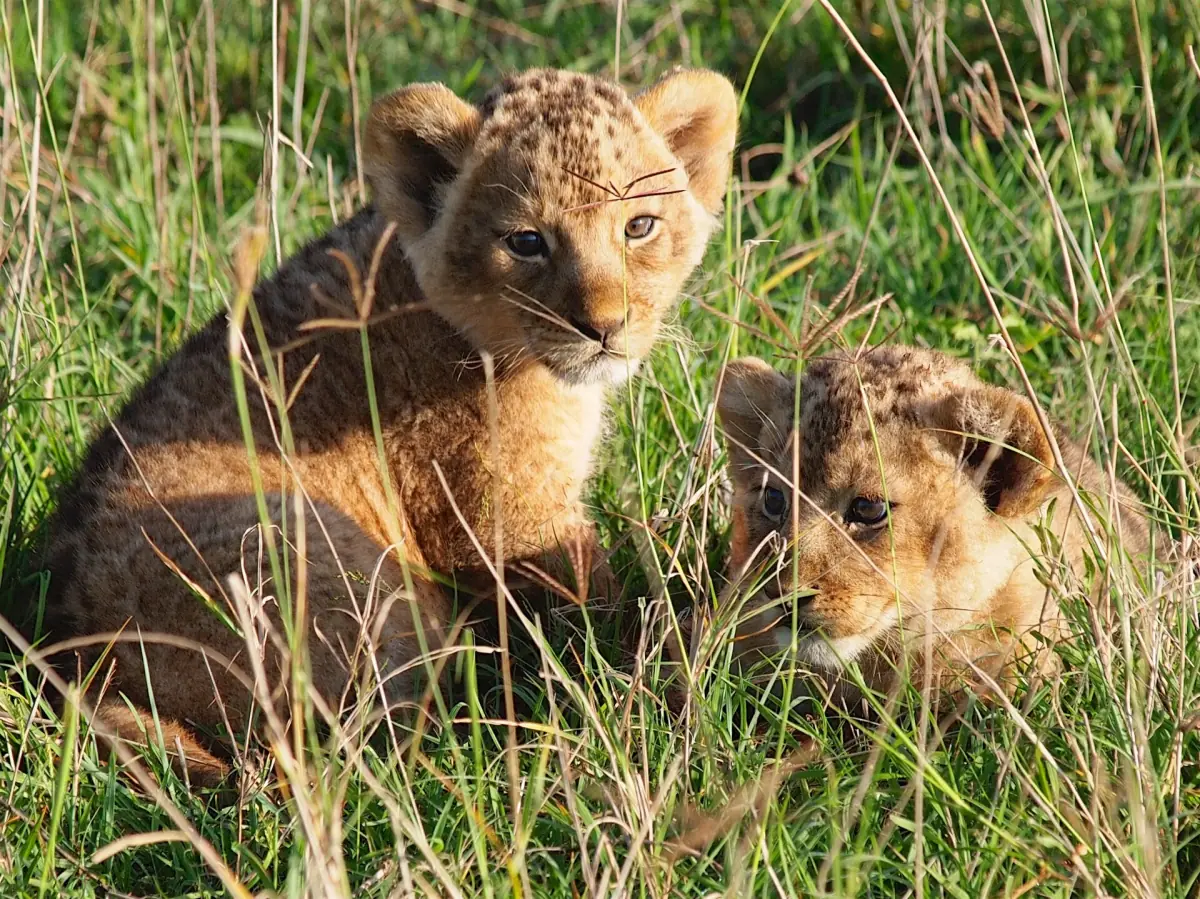
Ndutu: frequently asked questions
When is the calving season at Ndutu?
Herds are typically around Ndutu in January, calving is usually at its peak in February, and herds are still present but more spread out in March. These are typical patterns, not fixed dates.
Is Ndutu inside the Ngorongoro Conservation Area?
Partly. The calving plains lie on both sides of the boundary between the Conservation Area and the Serengeti National Park, so the fees and rules depend on where you are.
Can I see a birth?
Nobody can promise it. Births and herd positions depend on rain and grass, and the timing changes each year.
Do I need to go to the Serengeti to see the herds?
Not necessarily. Ndutu is the southern plains area where the herds gather in the calving season. The Serengeti is a separate park and not covered in detail here.
Is Ndutu open all year?
The herds are not always there. After March they move north and west. Check current conditions with your operator before you plan around them.