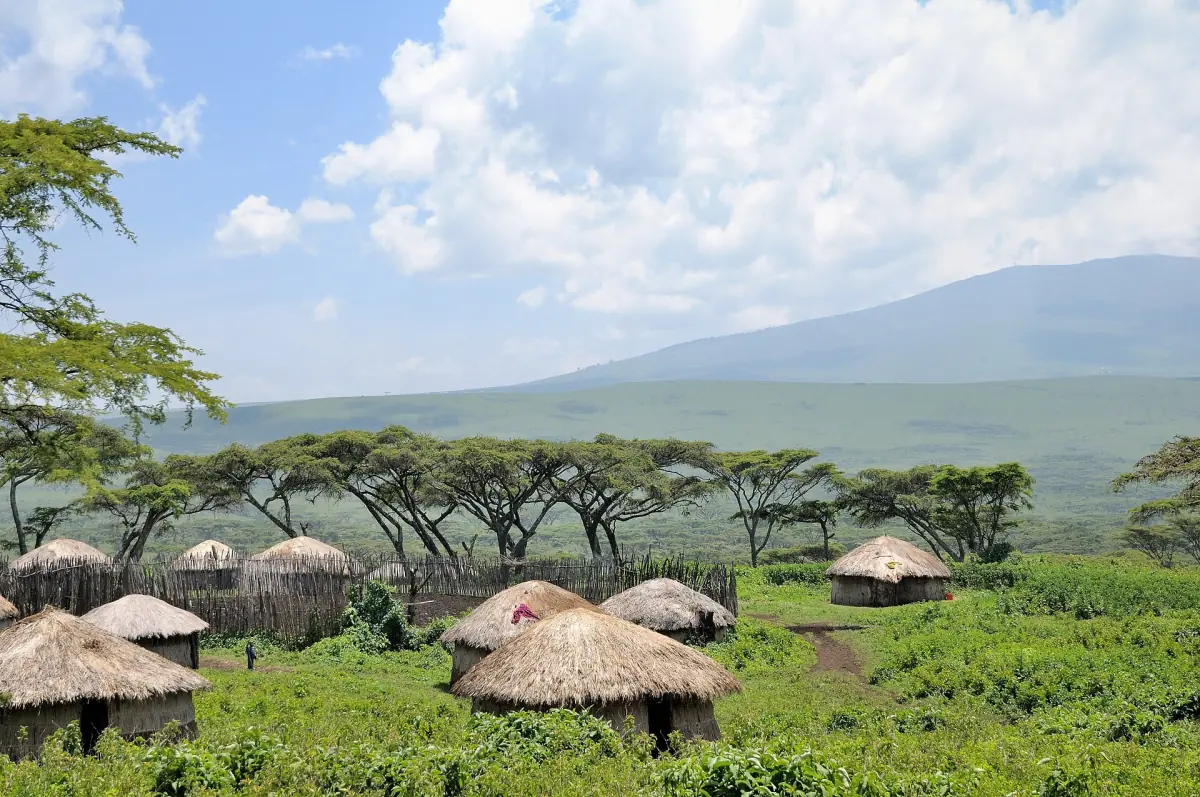
People live here
The Ngorongoro Conservation Area was set up in 1959 as an area of multiple land use. Protecting wildlife and the livelihoods of resident Maasai are both part of that setting. UNESCO describes the landscape as one that is also used by Maasai pastoralists.
That matters for how you visit. The residents are not part of a wildlife attraction, and households do not all live the same way. A village visit is a visit to people's homes and working lives. It is not a stage set, and it should not be treated as one.
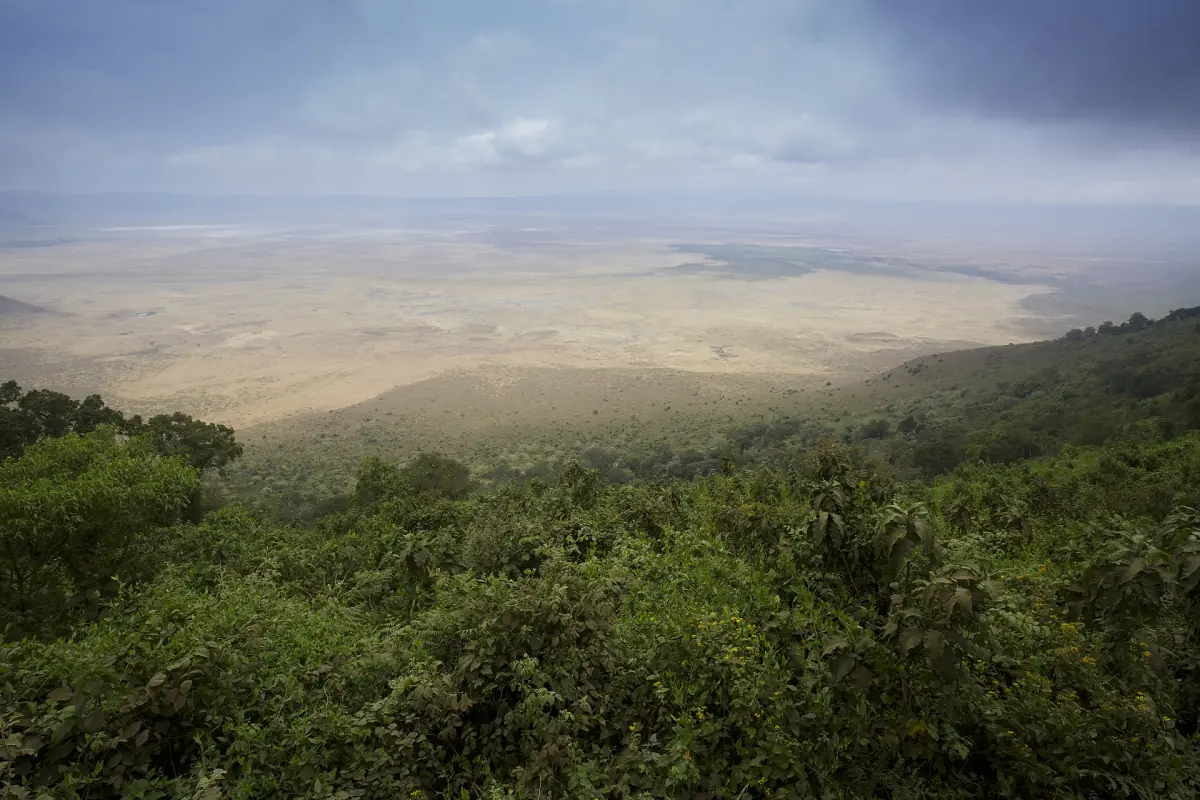
How a visit works
The rules that apply, and what remains open.
| Topic | What to know |
|---|---|
| Where | The conservation authority names designated Cultural Bomas for visits. A boma is a homestead. Do not walk into one that is not set up for visitors. |
| Photos | Street photography of residents is prohibited. Photography at designated places is possible with special permission. Ask the person you want to photograph as well. A fee does not replace consent. |
| Fee | An older official tariff lists $20 per vehicle for Cultural Bomas, and the same amount applies as of 2026. Prices can differ between villages. |
| Where the money goes | Do not assume it goes in full to the community. Ask your operator and the village how the fee is shared. |
| Opening hours | Check the current timetable before you go |
Tours with cultural visits
Day trips and multi-day safaris in the Ngorongoro area, with live prices and availability.
How to be a good guest
Simple habits that help.
Go through a designated visit
Choose a visit that the authority lists as a Cultural Boma and that your operator arranges ahead. Do not stop at homesteads on impulse, and do not photograph people from the car window.
Ask before every photo
Ask the person, not only the guide. Accept a no. Do not pay for a photo as a way around an answer. Photos of children need the same care.
Ask what the fee covers
The $20 per vehicle figure is a base amount, and villages may set their own prices. Ask your operator before the visit what is paid and to whom.
Other fees in the area →Avoid the old stereotypes
Words like untouched, primitive or unchanged for centuries are wrong. People here live in the present, with phones, schools and political views like anyone else. Ask questions, and listen to the answers.
The relocation debate
Whether residents should move out of the Conservation Area is a live and disputed question. This guide does not take a side. These are the dated positions on record.
- UNESCO, 23 April 2026, updated 2 July 2026: forced evictions are incompatible with human rights. Voluntary relocation requires free, prior and informed consent and the participation of the people affected.
- 12 March 2026: reports from a government panel on the relocation were presented. They were described as having legal and procedural flaws, and a review of the recommendations was announced.
- Government position: relocation is presented as a way to protect the ecosystem and improve living conditions. Critics raise land rights, participation and services.
These accounts exist side by side. They do not show that the matter is settled, that every case is voluntary or that all cases are alike. As a visitor, you do not need to resolve the debate. You can stay aware that the people you meet may be directly affected by it, and be careful about asking personal questions about it.
Questions worth asking your operator
A responsible visit starts with the booking. These questions help you choose well, and they show operators that visitors care.
- Is the village a designated Cultural Boma, and who runs the visit?
- What is the fee, is it per vehicle or per person, and how is it shared?
- What are the rules for photography, and who do I ask?
- How long does the visit take, and what will we do during it?
- Are there parts of village life that visitors should not enter or film?
If a visit feels staged or rushed, or if you are pressed to buy or pay on the spot, you can say no. An honest operator will not mind.
Continue planning
Related pages on this site.
Maasai village visits: frequently asked questions
Can I visit a Maasai village in Ngorongoro?
Yes, at designated Cultural Bomas arranged ahead through your operator. Do not drop in at homesteads that are not set up for visitors.
How much does a village visit cost?
An older official tariff lists $20 per vehicle for Cultural Bomas, and the same amount applies as of 2026. Prices can differ between villages, so ask before you go.
May I take photos?
Street photography of residents is prohibited. At designated places it is possible with special permission. Ask each person as well. Paying a fee does not replace their consent.
Does the fee go to the community?
Do not assume it goes in full to the community. Ask your operator and the village how the money is shared.
Is the relocation settled?
No. The matter is still being debated. UNESCO has set out conditions for voluntary relocation, and the government has announced a review of the panel's recommendations.