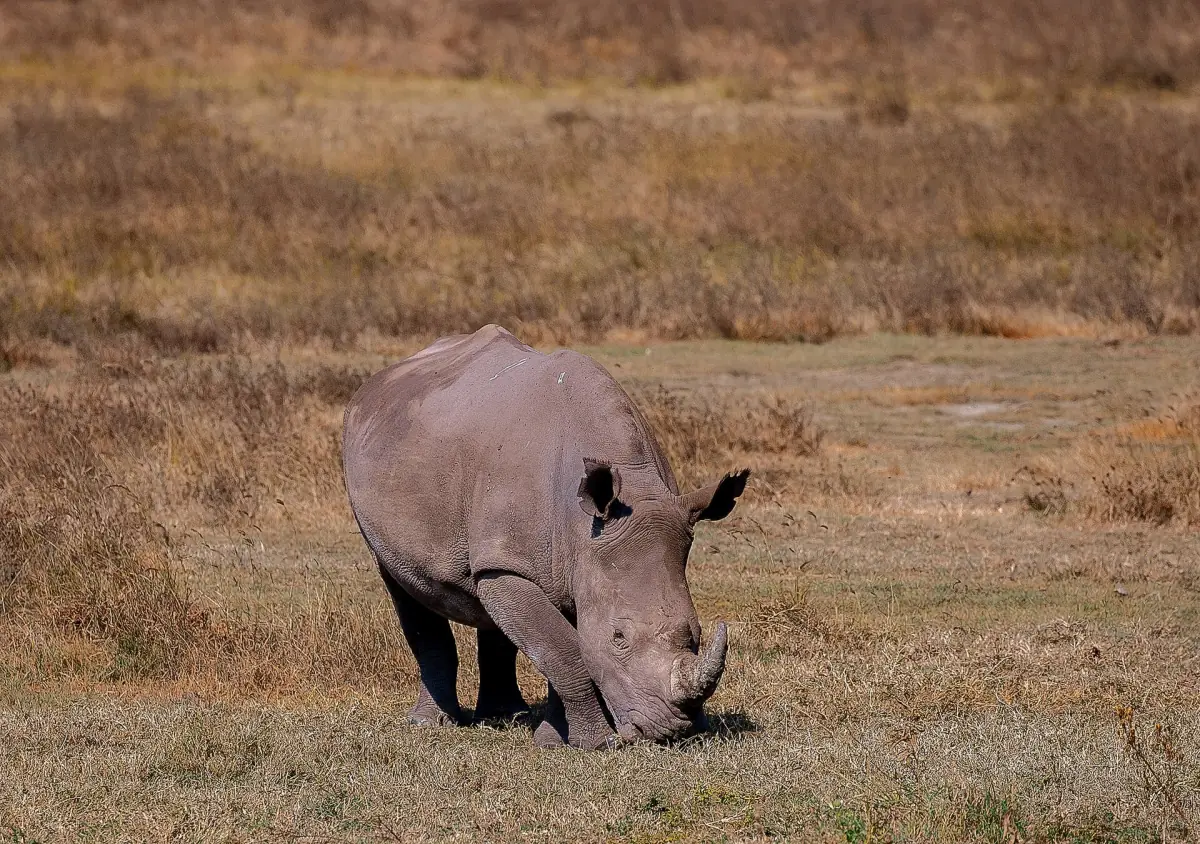
Wildlife in the Ngorongoro Crater
The authority lists the Big Five for the crater: elephant, buffalo, rhino, lion and leopard. It also says there are more than 25,000 large animals. That figure has no survey year, so read it as a rough statement and not as a count for 2026.
No game drive can promise all five on one day. Leopards are the hardest to find, and rhinos are rare. A realistic goal is a good day with several species, a few long sightings and some patience. A guide who knows the tracks helps more than any fixed list.
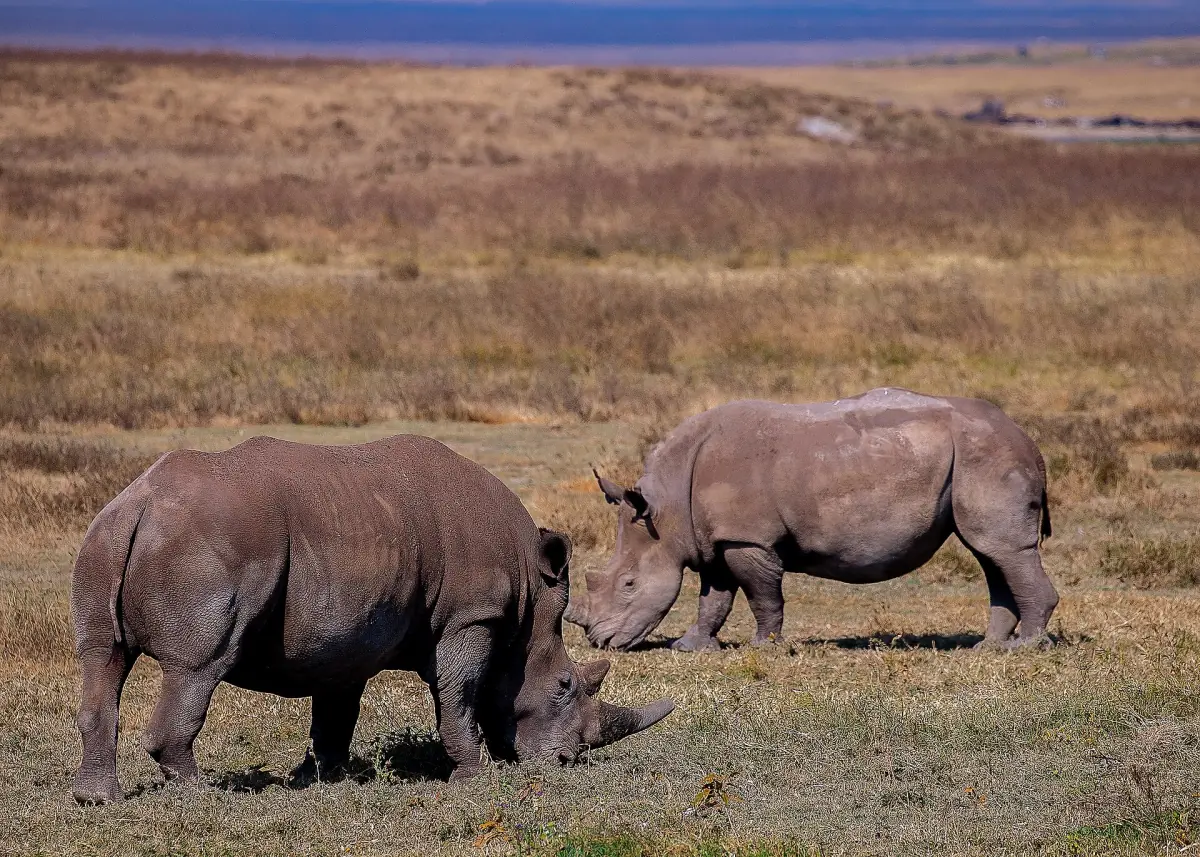
Which animals live where
A habitat guide to the crater floor. None of these places gives a guaranteed sighting.
| Animal | Where to look | Good to know |
|---|---|---|
| Black rhino | Lerai Forest is a refuge for rhinos | Listed as a threatened species of the area |
| Elephant | Lerai Forest and Ngoitoktok Spring | Animals move in and out of the crater |
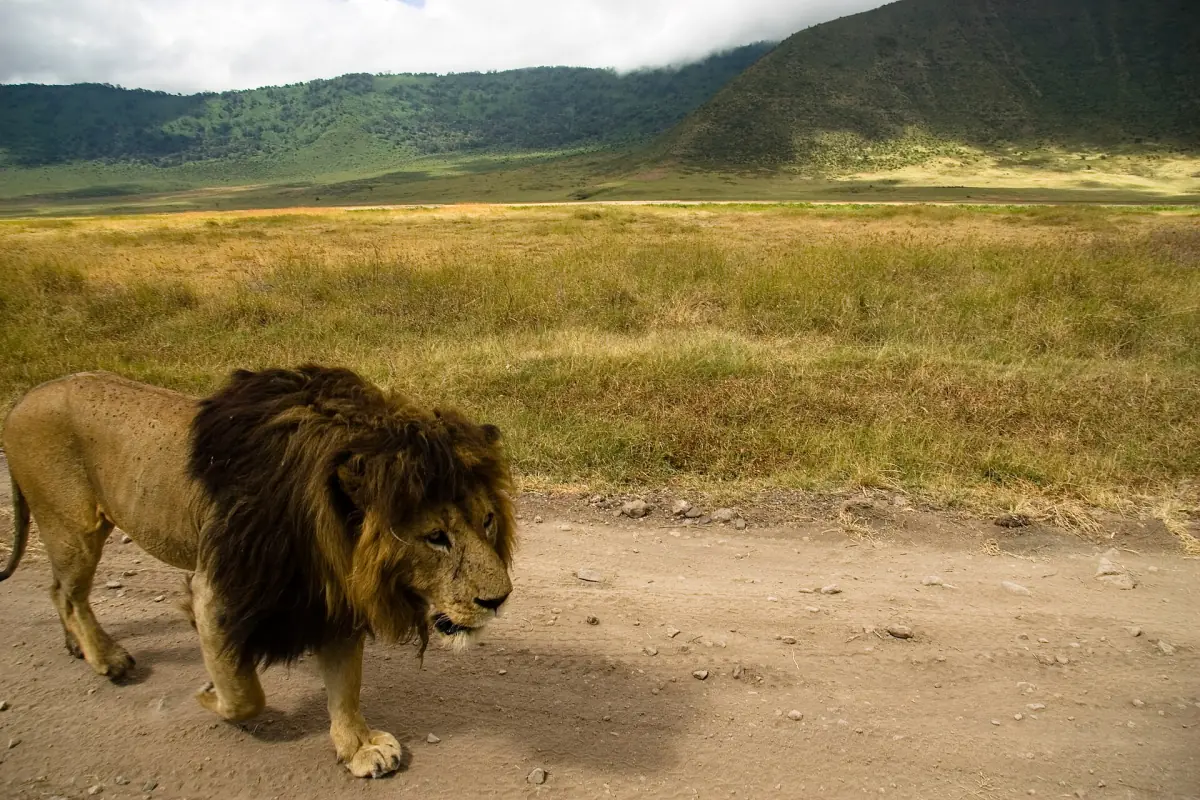
| Lion | Open floor, and near Ngoitoktok Spring | The only lion estimate on record dates from 1987 |
| Buffalo and leopard | – | Listed for the crater, with no fixed place |
| Hippo | Ngoitoktok Spring | Dangerous: stay with your guide |
| Flamingos and other birds | Lake Magadi | Numbers depend on the season and the water |
Our picks: tours for wildlife
Safaris that include game drives in the crater and the Serengeti.
Hand-picked tours, booked through GetYourGuide. Prices are indicative starting prices in US dollars (as of October 2026). Tap a tour for live availability and the current price in your currency.
4-day Serengeti and Ngorongoro camping safari
Three nights in tents with sleeping bags, entrance fees, meals as per the itinerary and hotel transfers in Arusha. The Olduvai visit on day 3 is optional and the museum charges extra.
Check availability →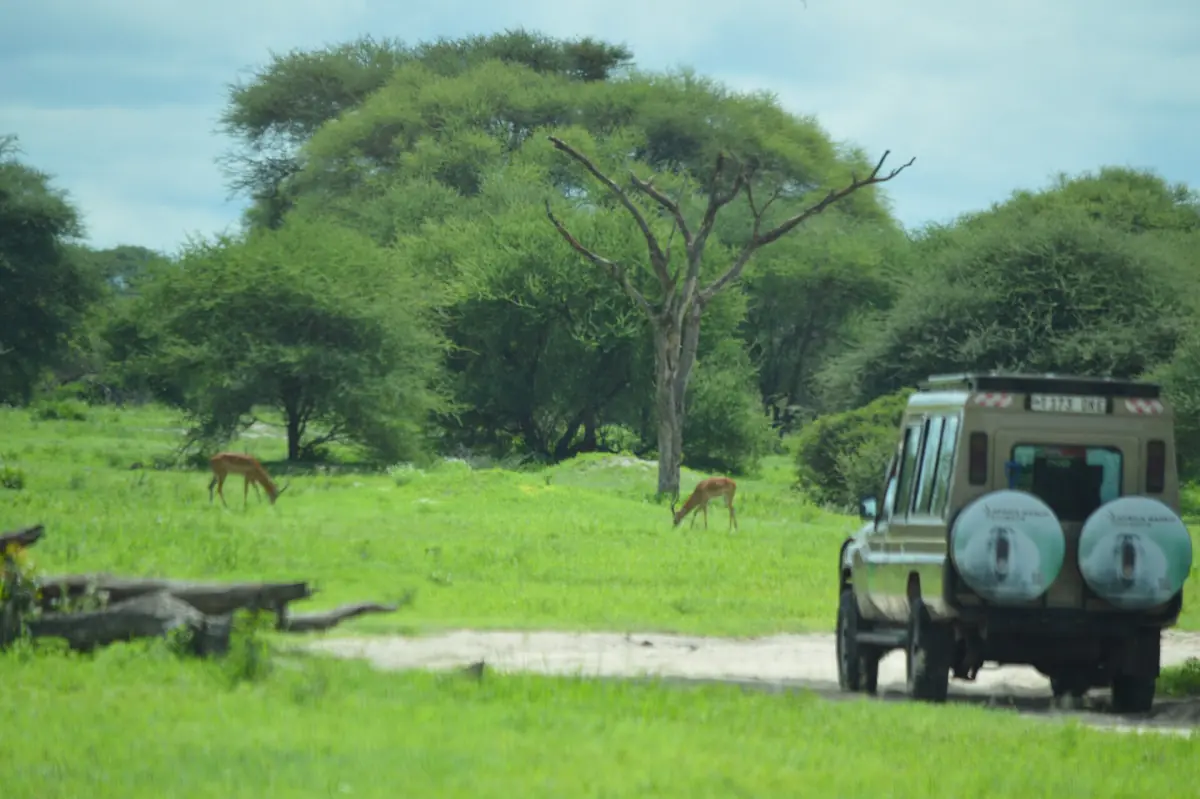
3-day Serengeti and Ngorongoro Crater camping safari
All park, transit, concession, camping and crater fees are included, plus full board, tents and a cook. Insurance and tips are not included.
Check availability →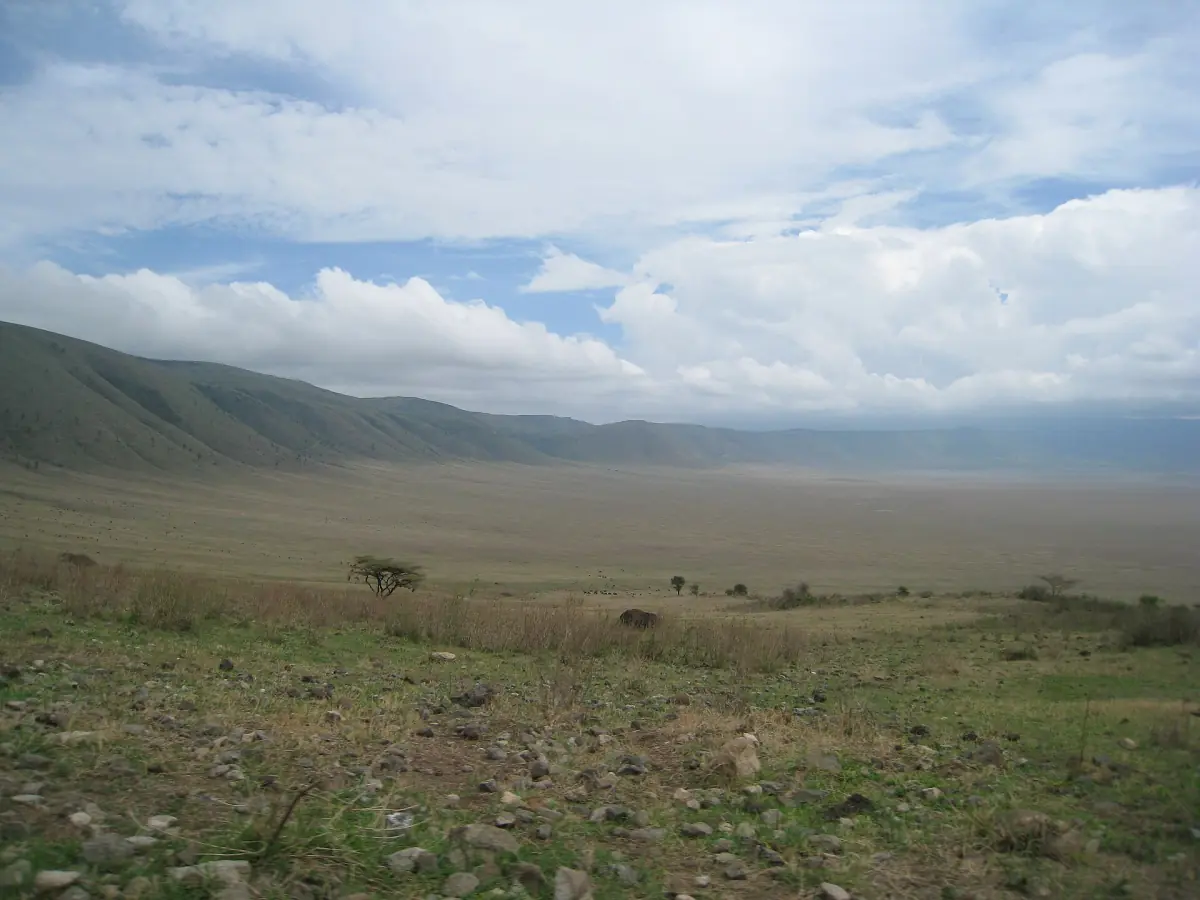
Ngorongoro Crater day safari with a driver-guide
Twelve hours in a 4x4 with pop-up roof, with all park and crater fees, a picnic lunch and hotel transfers. Maasai village visits are an optional extra.
Check availability →Wildlife tours in the Ngorongoro area
Game drives in the crater and the wider conservation area, with live prices and availability.
The animals in more detail
What is known, and what is not.
Black rhino
The black rhino is named as a threatened species of the conservation area. Numbers are hard to pin down. An older brochure from the authority mentions about 20 rhinos in the crater, and in 2024 the national rhino coordinator put the number at 71 in the wider conservation area. The areas and years differ, so neither is a figure for today. Expect a distant sighting at best.
Lions
The only lion estimate listed for the area dates from 1987, so there is no current count. Lions can show up on the open floor and near the spring. Cubs in the grass make for long stops, and the rule of at most 5 vehicles per sighting can mean a short wait for your turn.
Elephants
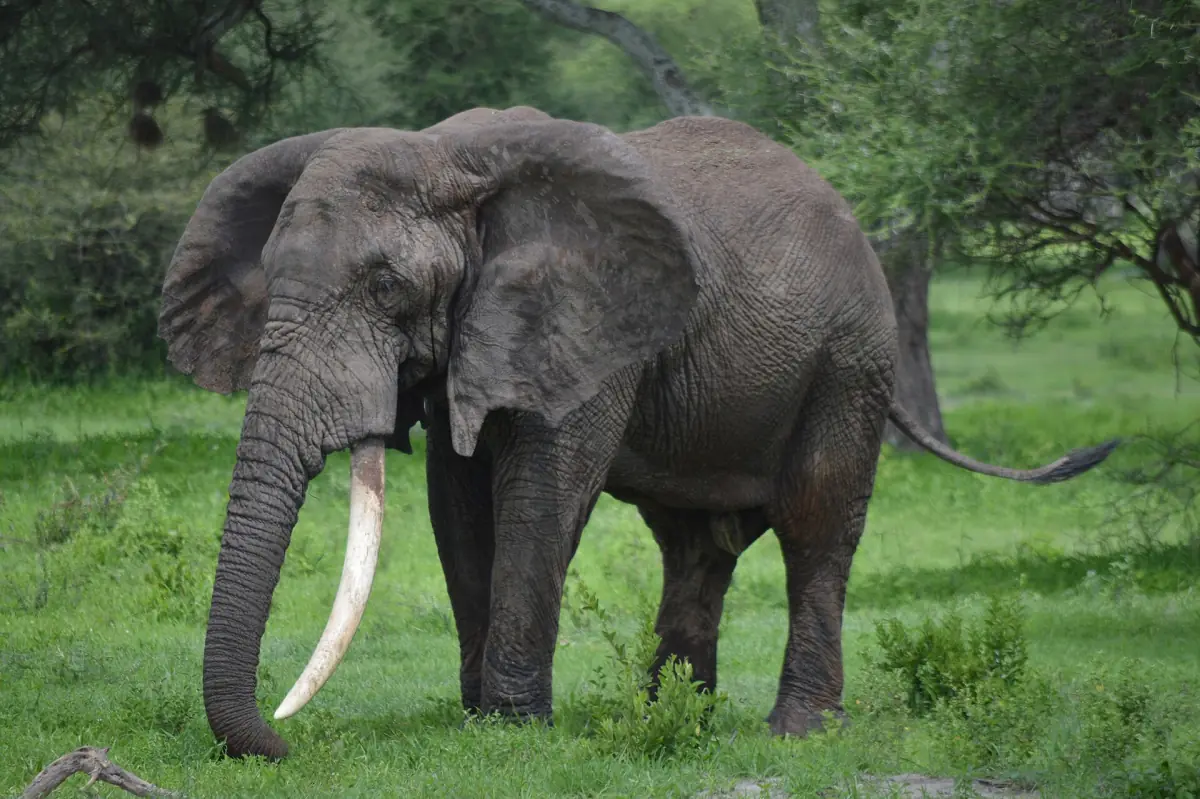
Elephants use the forest and the spring area. They move between the crater and the surrounding highlands, so they are not tied to the floor.
Hippos, birds and raptors
Hippos live at Ngoitoktok Spring, the approved picnic stop. Raptors there will grab food, so eat inside or hold it close. Lake Magadi attracts birds by season, and flamingos come and go with the state of the water. Do not plan around a fixed flamingo number.
Giraffes
If you hear that there are no giraffes in the crater, ask your guide for the reasons rather than repeating them. The conservation area as a whole should not be called free of giraffes.
How to see more
Practical habits for a better game drive.
Go early
Be at the gate when it opens. Driving is listed from 6 a.m., and the early hours are cool and calm. A late descent may not be possible.
Bring binoculars
Many sightings are far away. A pair of binoculars matters more than a long lens.
Stay in the vehicle
You can only get out at designated places. The guide decides how close the vehicle goes, within the 25 m minimum.
Add a second area
Ndutu has its own wildlife and a calving season from about January to March. Read the Ndutu page if you want to combine it with the crater.
For the crater itself, including gate hours and fees, see the crater page. For the weather and the seasons, see best time to visit.
Ngorongoro animals: frequently asked questions
Can I see all of the Big Five in the crater?
All five are listed for the crater, but no one can guarantee that you will see all of them on one drive. Leopards and rhinos are the hardest to spot.
How many black rhinos are there?
There is no reliable current figure for the crater alone. Older and newer numbers cover different areas and years, so treat them as history and not as today's count.
Are there flamingos on Lake Magadi all year?
Not at a fixed number. Birds gather by season, and the count depends on the state of the water.
Can I get close to the animals?
No. The 2026 visitor rules set a minimum of 25 m and at most 5 vehicles at a sighting. You also stay in your vehicle at all times except at designated stops.
Where do I find the migration?
Not in the crater. The calving season on the short-grass plains is at Ndutu, usually from January to March, with the peak often in February.